Blue is often treated as a choice.
Something selected, applied, adjusted until it looks right.
But historically, blue was never that simple.
It had to be mined, carried, ground. It came from stone, from distance, from effort. It entered painting with weight—material before meaning.
That still matters.
In these contemporary abstract paintings, blue is not applied.
It appears.
Blue as Material
Before it becomes colour, blue exists as matter.
Mineral pigment, oxidized metal, marble, mica—each behaving differently within the surface.
This isn’t application. It’s accumulation.
The Deep See
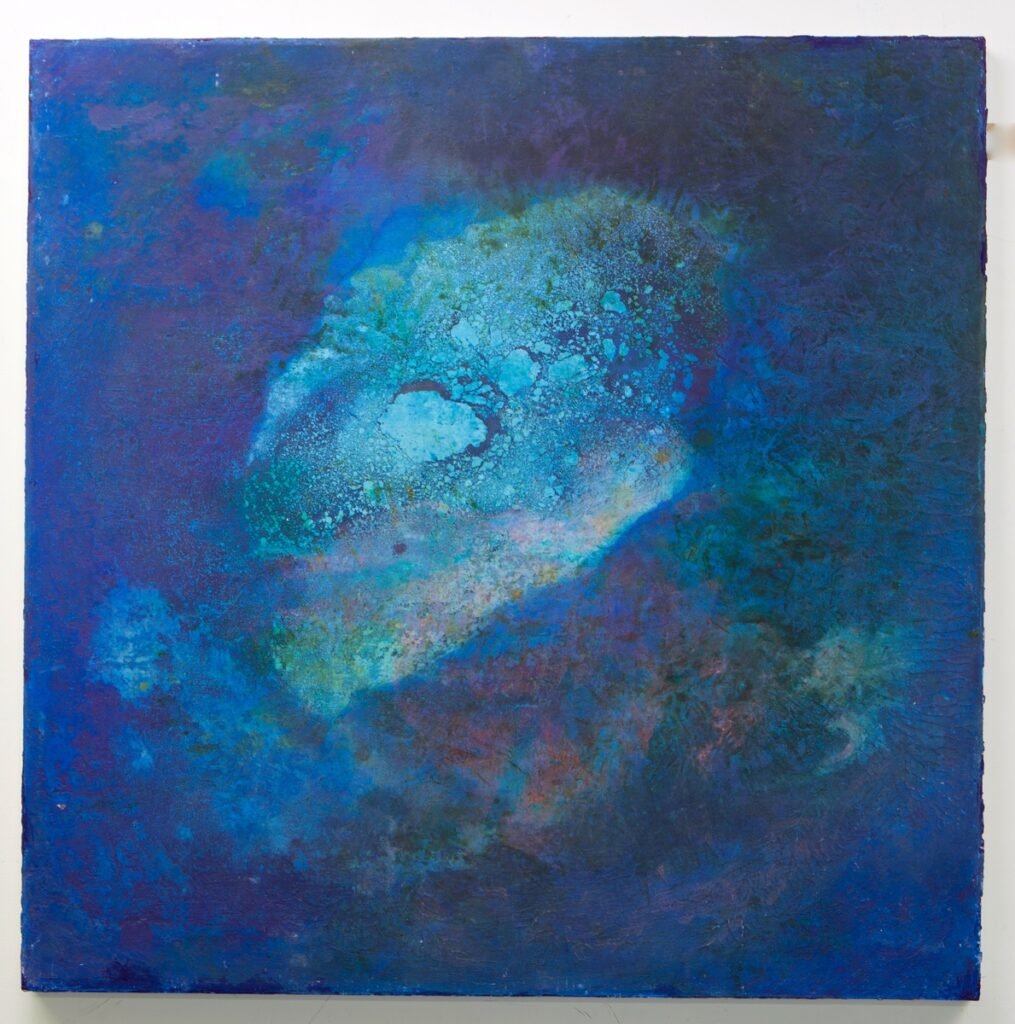
48 x 48 inches
holds blue in a more compressed state. Limestone, marble, oxidized metals, and phthalo blue create density rather than openness. The colour sits deeper in the surface—less reflective, more absorbed.
It doesn’t announce itself.
It pulls you in.
Blue as Phenomenon
At other times, blue behaves differently.
It lifts. It shimmers. It refuses to stay put.
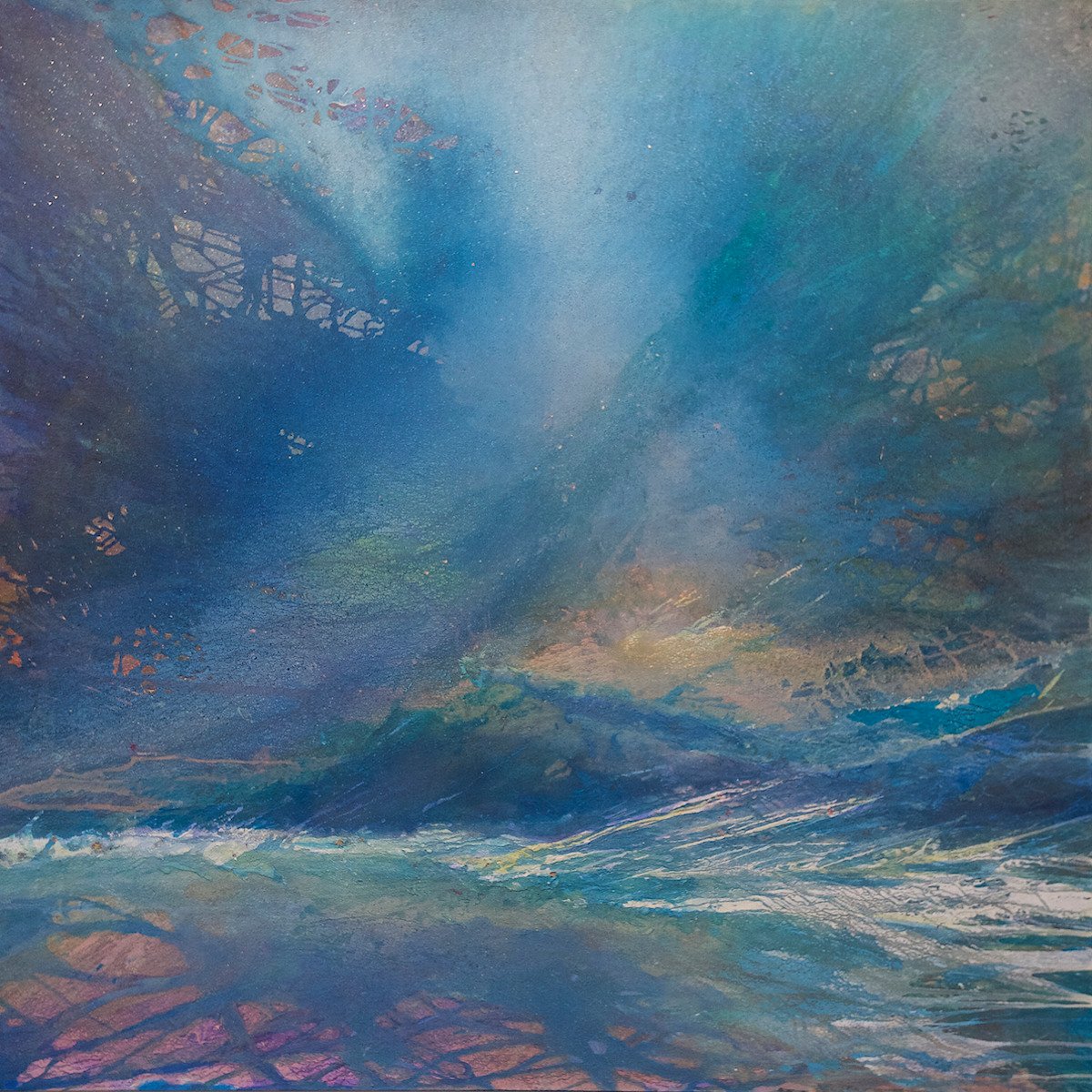
Phenomenon and the Mystery of Blue
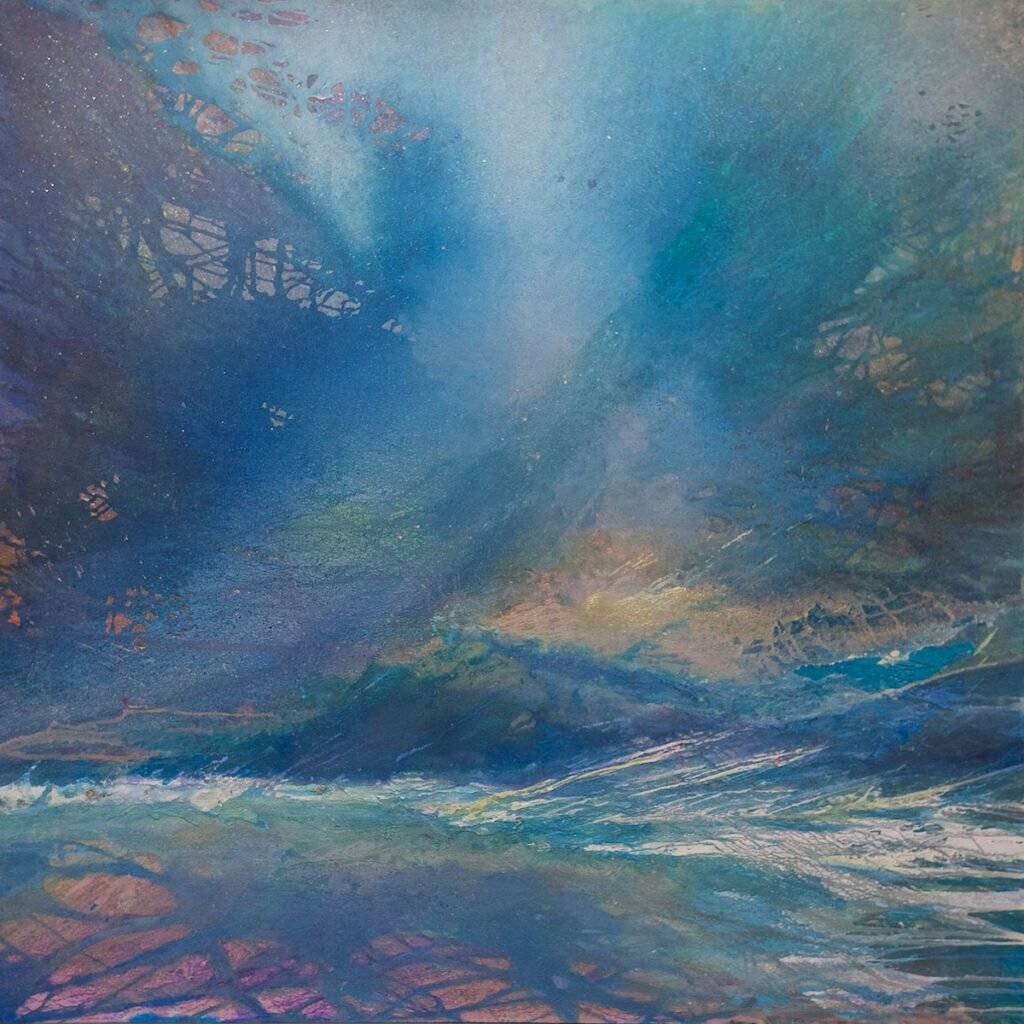
84 x 84 inches
Limestone, marble, oxidized metal, mica, and mineral pigments create a surface where blue is unstable. Light activates it unevenly. The surface shifts between density and luminosity.
The stars appear in daylight—shimmering across the surface.
You don’t quite believe it, but it’s there.
Blue here is not fixed.
It happens.
Golden Moon
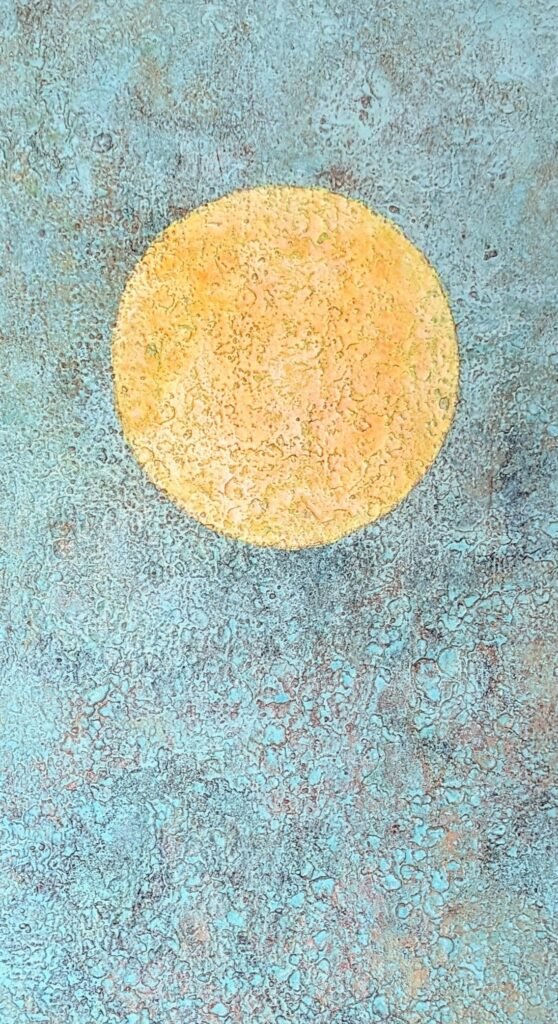
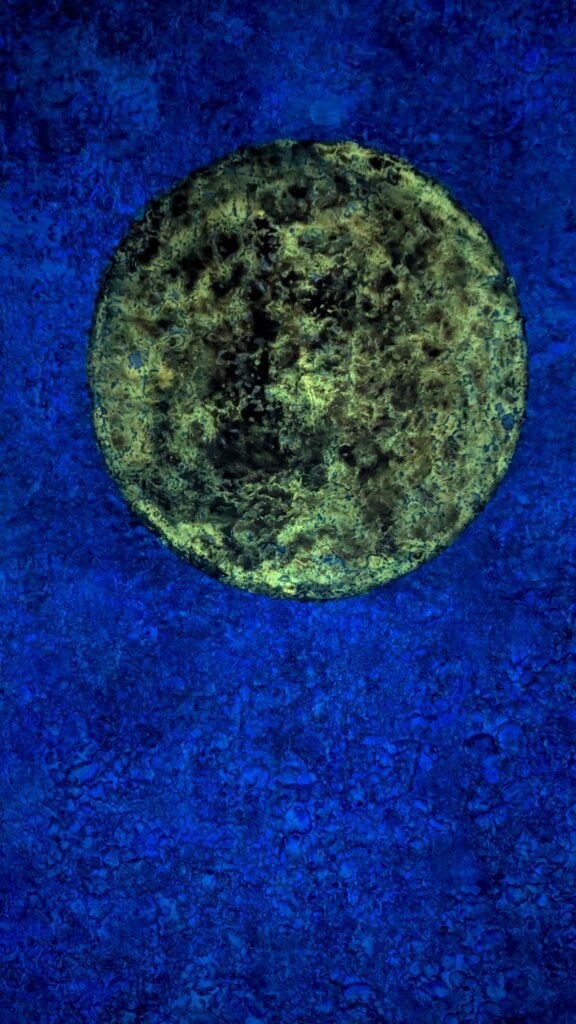
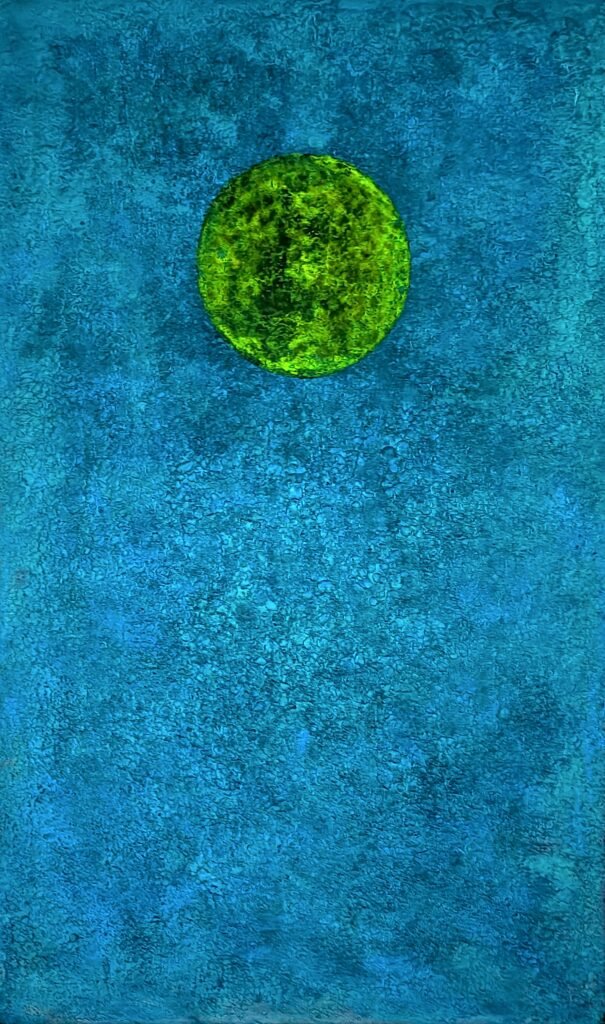
60 x 36 inches
Limestone, turquoise powder, and phosphorescent materials create a surface that holds light within it—almost like a lunar terrain. Rather than reflecting light directly, the electric blue glow builds slowly, releasing over time.
Blue here is quieter. Less immediate, more sustained—something that continues after the first encounter.
Blue in Transition
Between these states—depth and appearance—there is transformation.
*Natural Mystic *
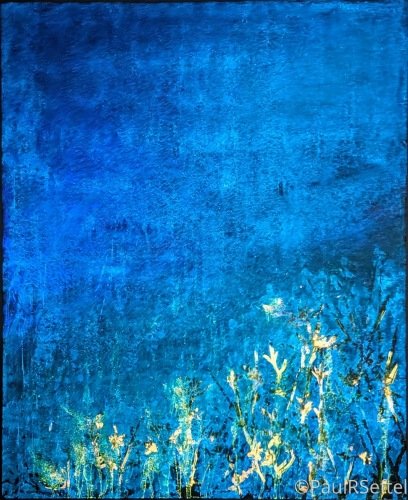
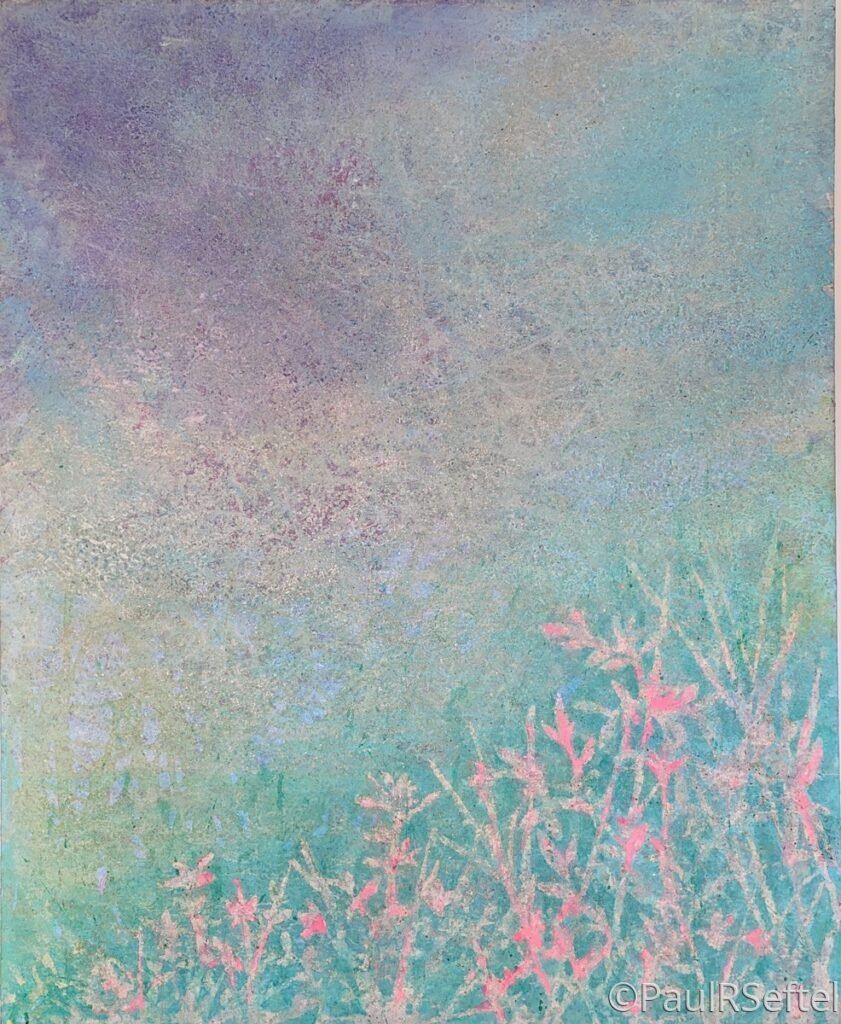
60 x 48 inches
By day, the surface is pale. Quiet. Mica catching light softly.
By night, something else emerges.
Phosphorescent elements shift the work into blue. Darker tones appear—not added, but revealed.
The colour doesn’t stay loyal to one version of itself.
Beyond Colour
Blue is often treated decoratively—calm, atmospheric, resolved.
But when it is built materially, it behaves differently.
It can:
- deepen rather than brighten
- shift rather than settle
- emerge rather than declare itself
What looks like colour is often the result of structure, light, and material interacting.
Final
Blue doesn’t exist here as a fixed element.
It is constructed, revealed, and transformed.
Sometimes it sits deep within the surface.
Sometimes it rises into light.
Sometimes it only appears when everything else falls away.
And sometimes—it shows up in a flash of light, when you weren’t expecting it at all.